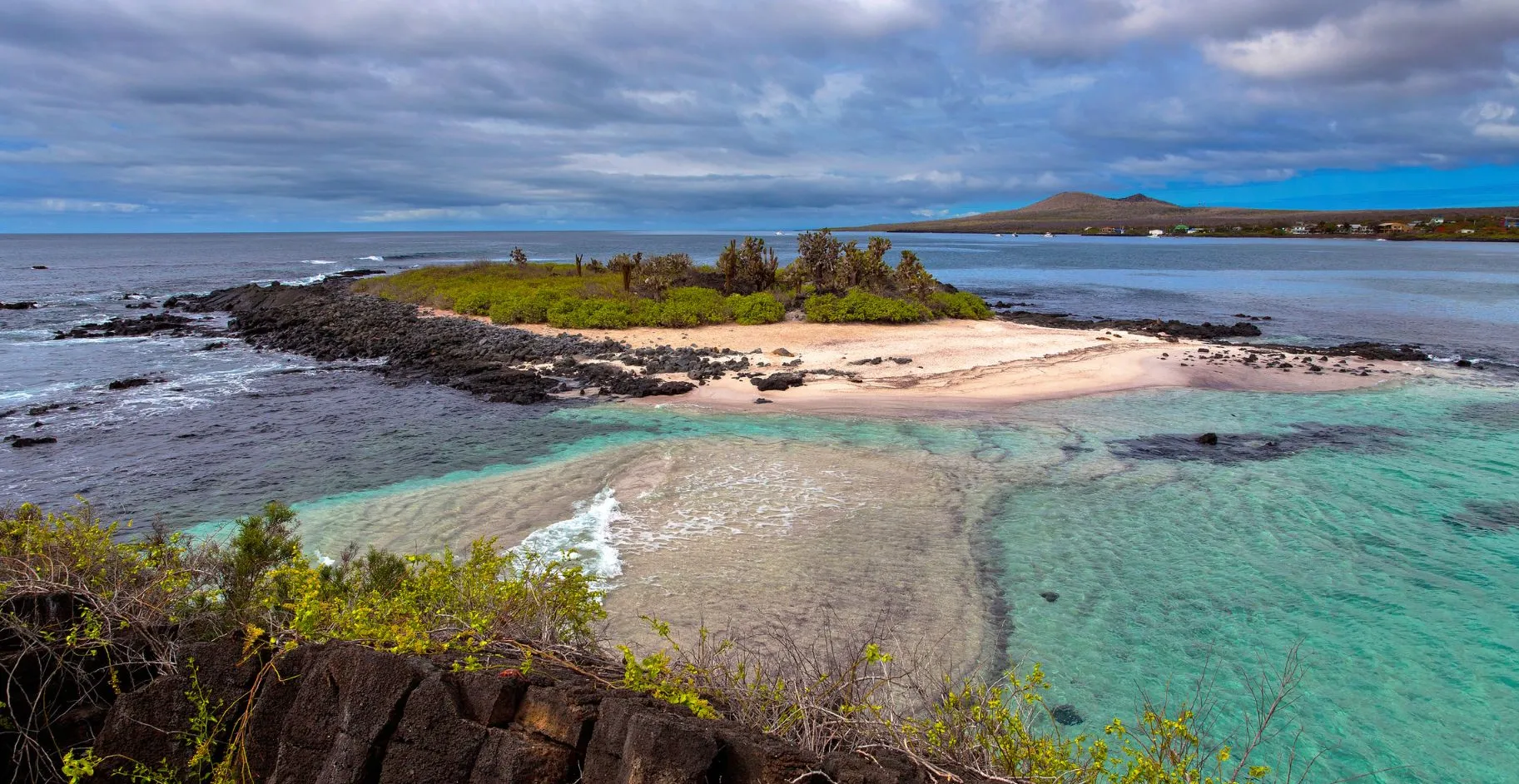
An island shaped by its human history
Floreana, also known as Santa María, is an island in the Galápagos archipelago whose human history holds a prominent place within the island group. Its territory brings together traces of navigation, settlement, and community life with volcanic landscapes and ecosystems that now form part of the archipelago's conservation efforts.
Essential information
- Area
- 173 km²
- Dimensions
- 18 km long and up to 16 km wide
Landscape and geography
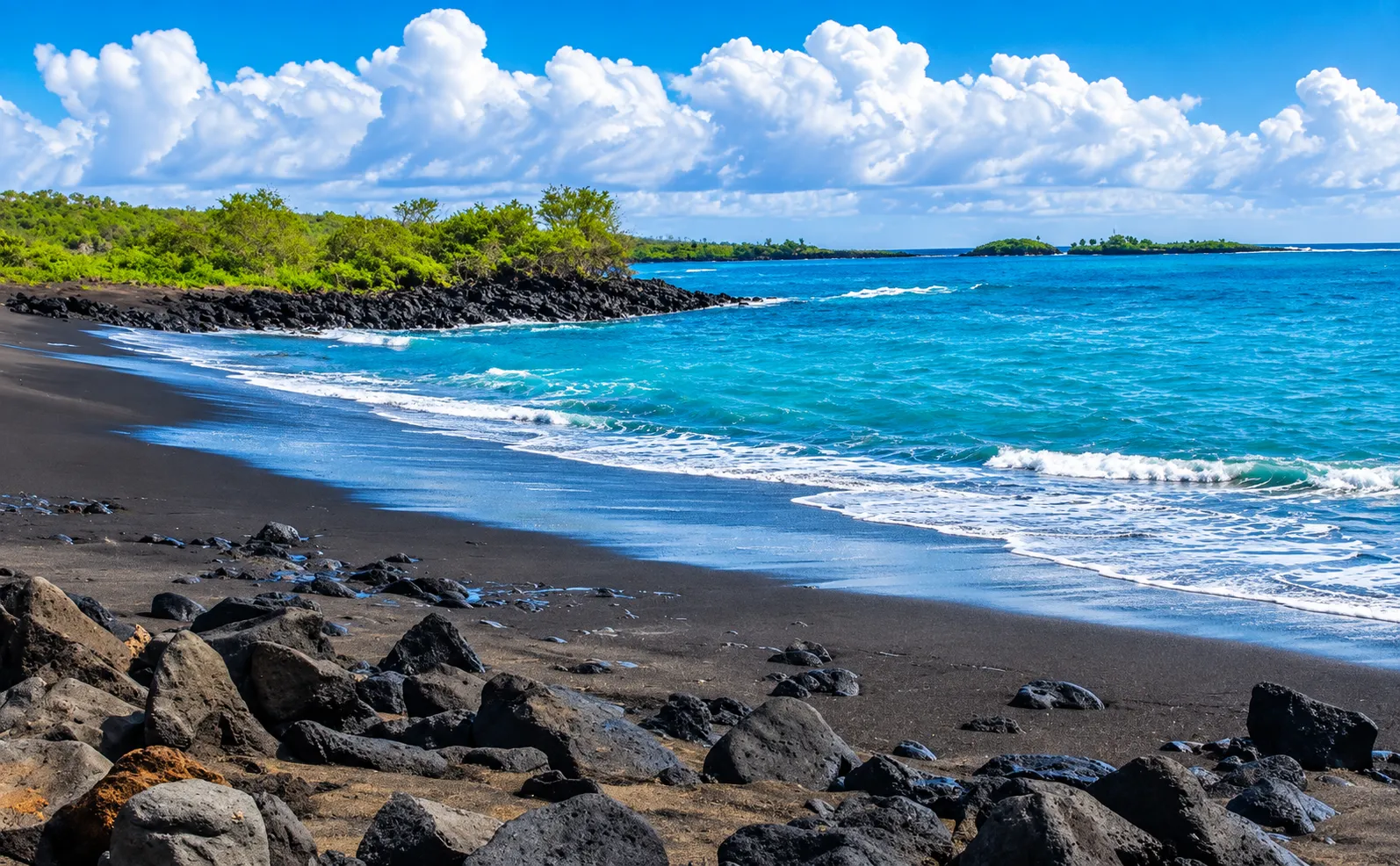
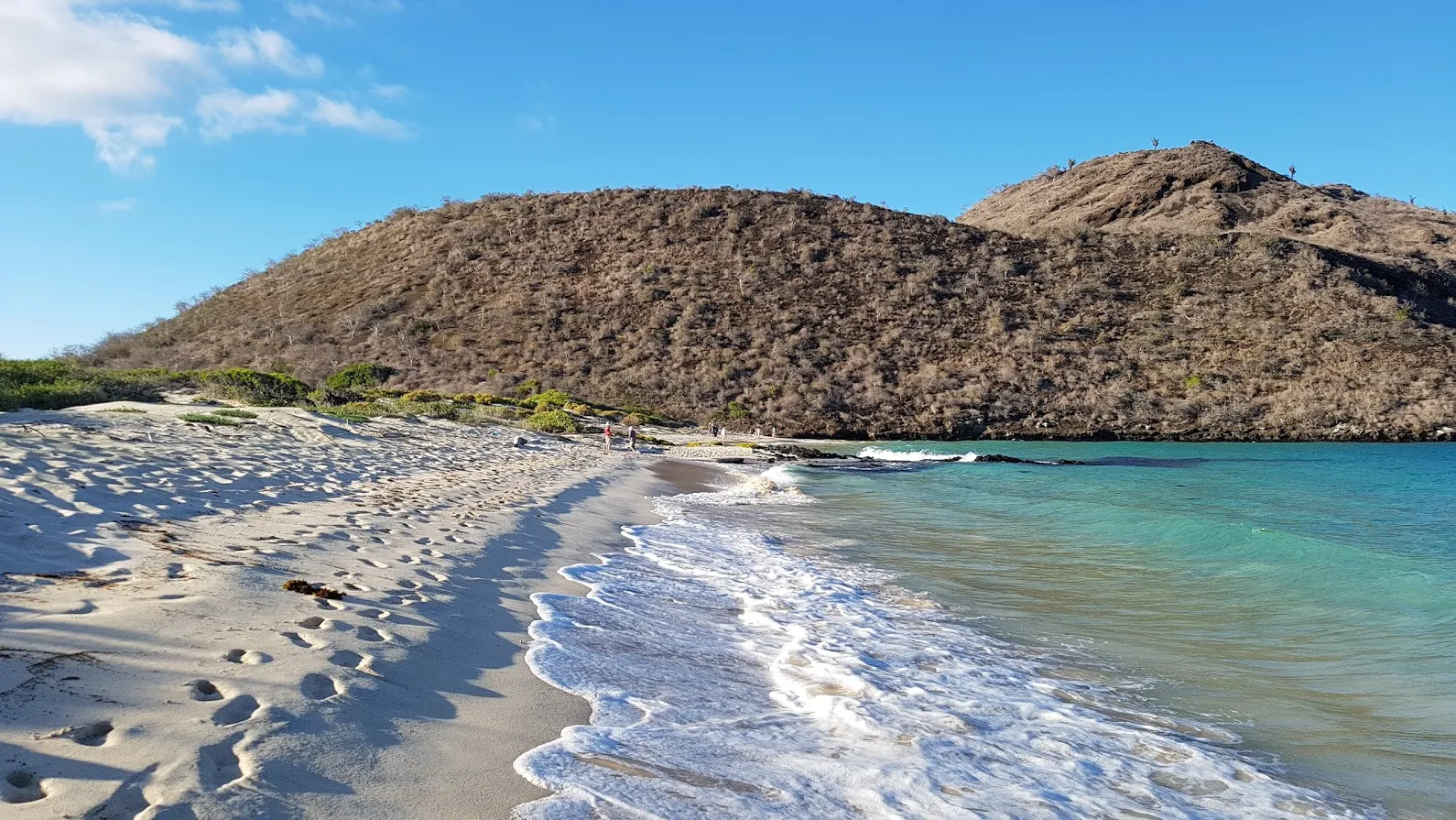
Floreana's terrain reflects its volcanic origin and includes coastal areas, bays, highlands, and nearby rock formations. This diversity of environments helps explain both the historical presence of human settlements and the variety of habitats that support Galápagos' native plant and animal life.
Puerto Velasco Ibarra is the settlement associated with the island in the consulted sources. Administrative, population, elevation, and managed-area figures remain outside public copy until they are checked against a specific institutional source.
Historical milestones
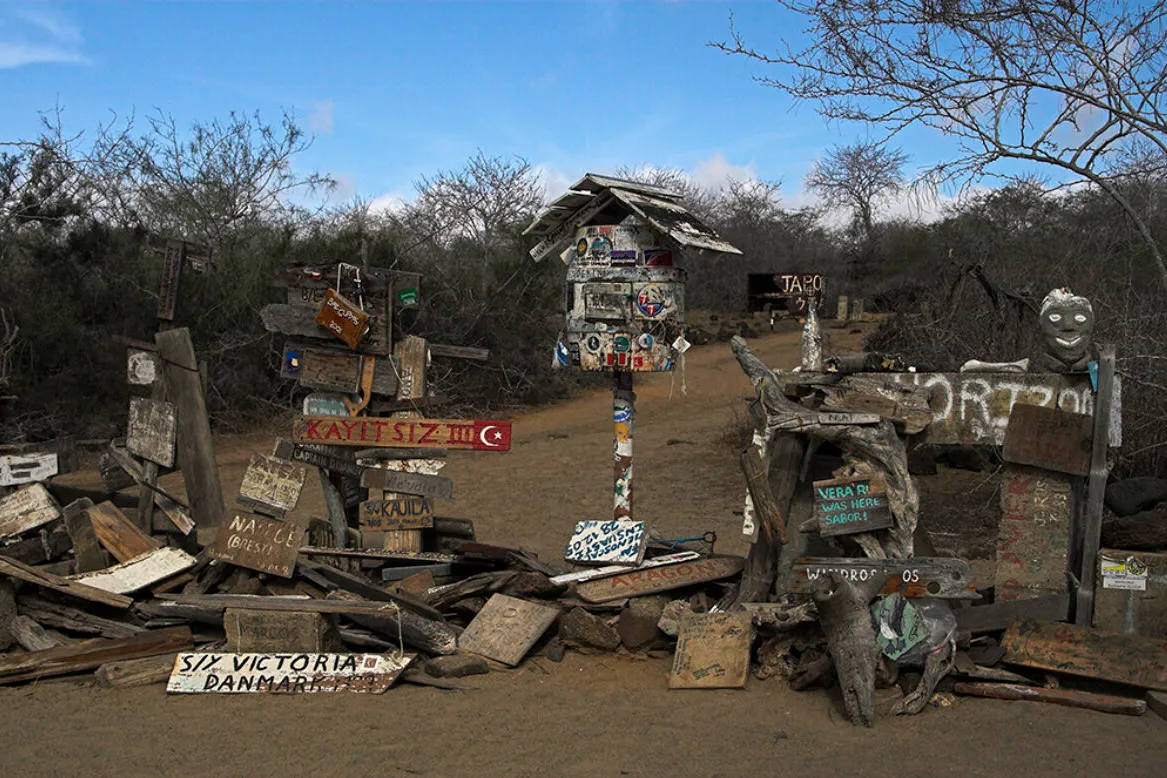
- At Post Office Bay, whaling sailors established a barrel used as a point for exchanging correspondence.
- Patrick Watkins lived on Floreana, and his stay is often cited among the earliest documented episodes of human residence in Galápagos.
- After Ecuador annexed the archipelago, Floreana was the site of a brief penal settlement known as Asilo de la Paz.
- There was a short-lived episode of Norwegian colonization and activity.
- The arrival of several groups of European settlers led to disappearances and deaths that still have no definitive explanation. This episode is known as the Galápagos Affair.
Conservation and restoration
Floreana has been one of the Galápagos islands most transformed by human presence and introduced species. The removal of feral goats was an important step, but recovering the landscape and native species requires sustained restoration, monitoring, and local management.
Among the species associated with these efforts is the Floreana mockingbird. The species no longer lives on the main island and maintains refuges on nearby islets, including Champion and Gardner-by-Floreana. For this reason, conserving island habitats and preventing new threats remain essential.
Notable places and landscapes
Post Office Bay
Post Office Bay preserves the memory of the correspondence system established by sailors in 1793. Its editorial importance lies in the relationship among navigation, exchange, and the historical memory of the archipelago.
Punta Cormorán
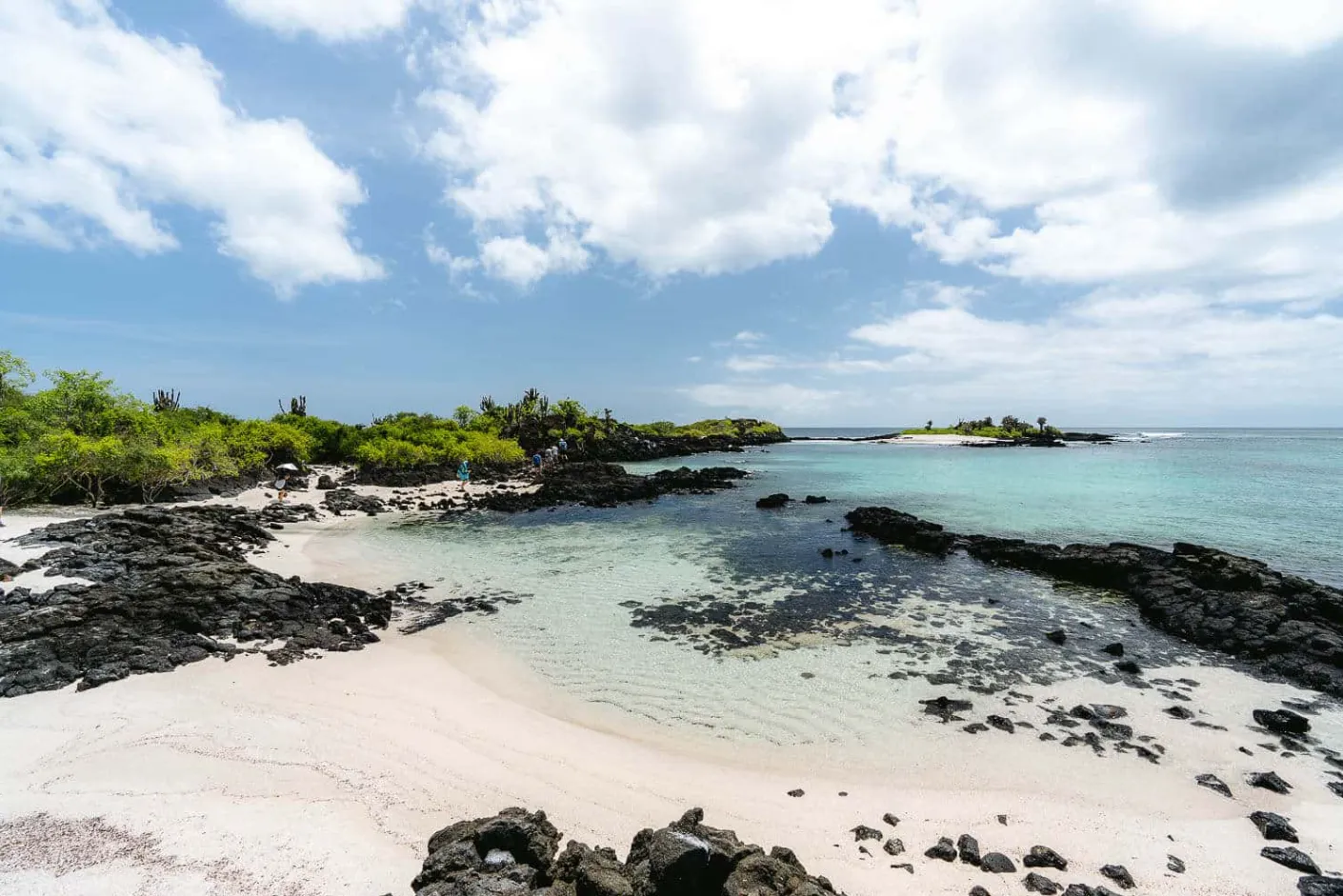
Punta Cormorán brings together two beaches of contrasting composition and a lagoon associated with coastal birds. The site makes it possible to observe the relationship among geological processes, coastal environments, and Galápagos wildlife.
Devil's Crown
Devil's Crown is an ancient volcanic crater eroded by the sea. Its silhouette and marine environments make it one of the most recognizable geological formations associated with Floreana.
Asilo de la Paz and Cerro Alieri
In the highlands, Asilo de la Paz concentrates references to freshwater and the first settlements. Cerro Alieri, in turn, is connected to plant diversity and to conservation actions for native flora.
Champion and Gardner-by-Floreana Islets
The islets near Floreana are relevant as refuges for the Floreana mockingbird and as part of the marine landscapes linked to the island. If records are published for these territories, they must respect their geographic hierarchy and have verified relationships in the CMS.