Islands
Explore the Galápagos islands one by one: San Cristóbal, Santa Cruz, Isabela and more — geography, wildlife, and what to expect on each.
Pinzón Island
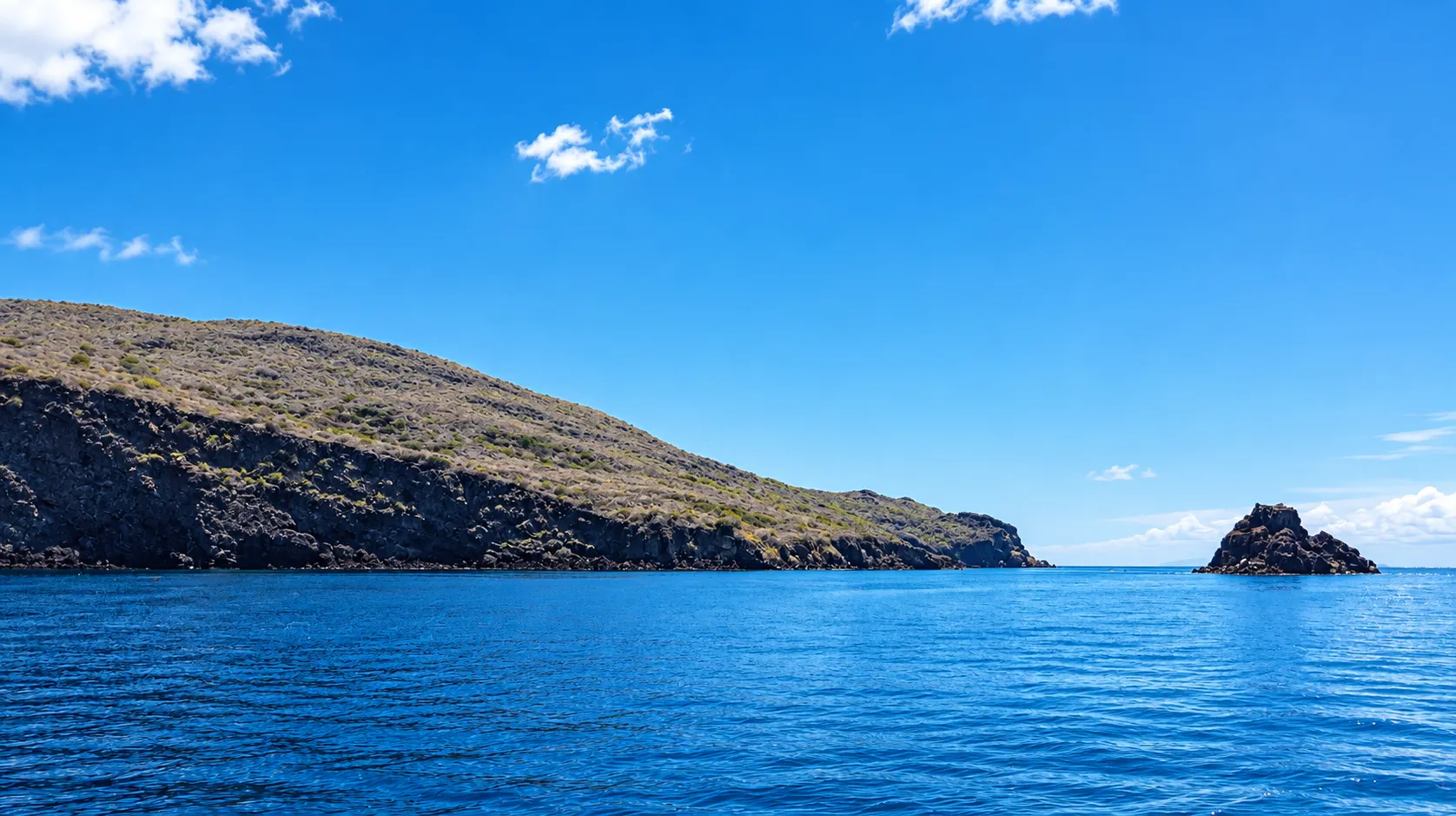
Pinzón Island lies in the central archipelago of Galápagos, west of Santa Cruz, covering 18 km² with a maximum altitude of 458 m. Surrounded by deep waters, it has no human population and no approved visitor sites; its elevated interior catches the garúa and supports the Daisy Tree forest in the humid zone, and its conservation history is shaped by the giant tortoise programme begun in 1965.
Fernandina Island
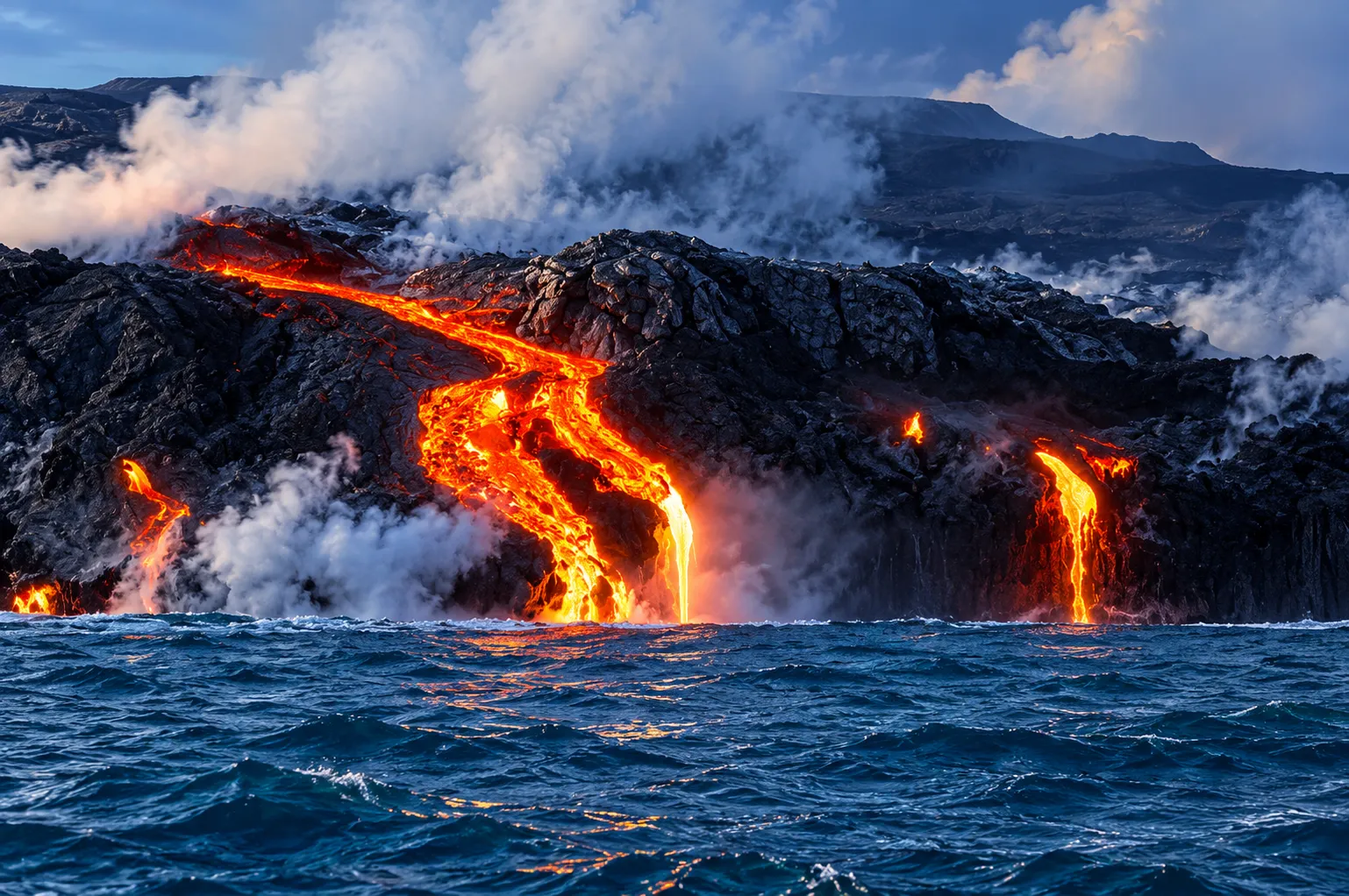
Fernandina rises at the western end of Galápagos as the youngest island in the archipelago. With an area of 642 km² and a maximum altitude of 1,476 m, it concentrates a shield volcano of high activity, lava fields where life takes hold, and cold waters that sustain wildlife adapted to extreme conditions.
Rábida Island
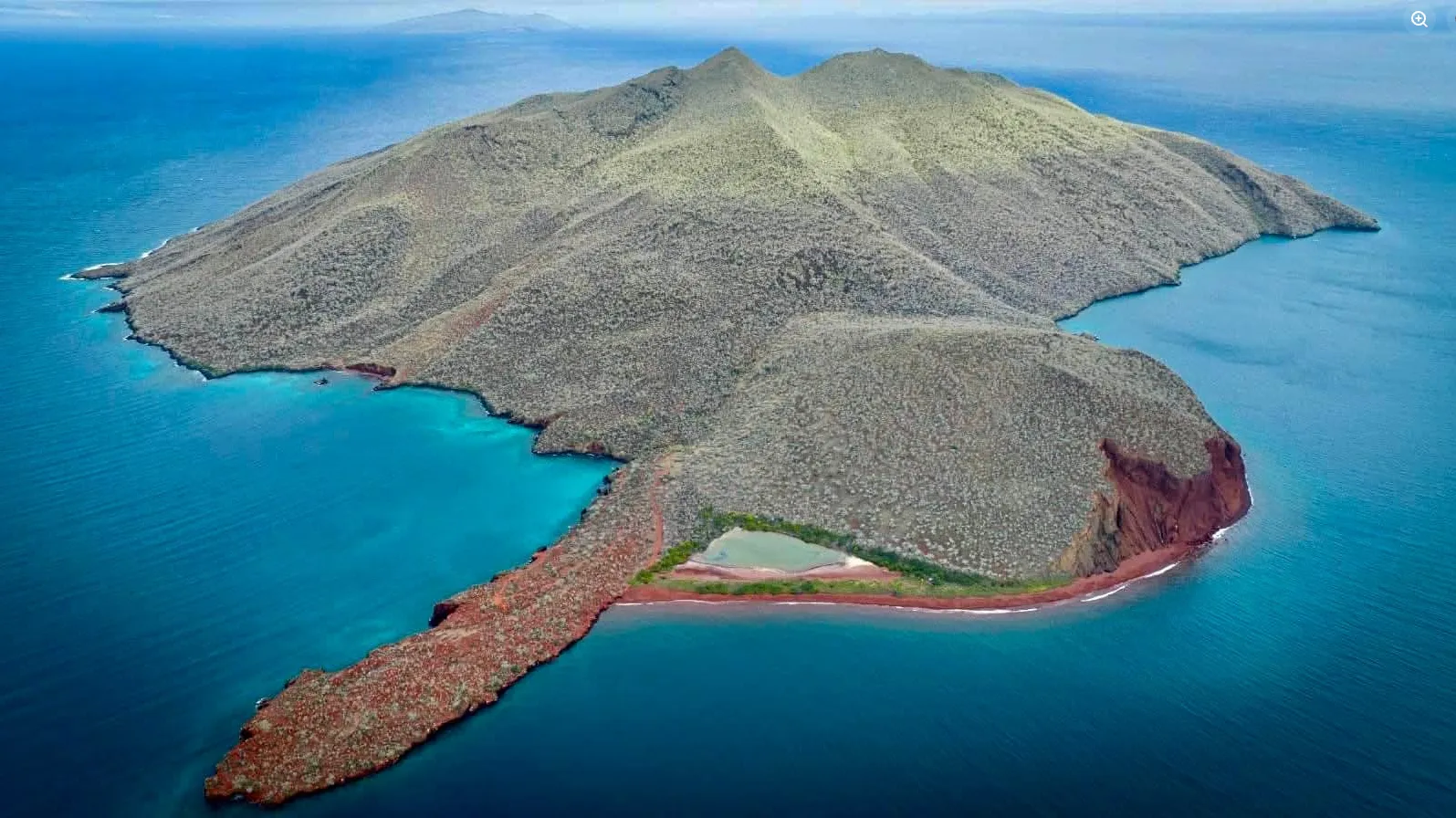
Rábida Island lies in the central part of the archipelago, south of Santiago. With an area of 4.9 km² and a maximum altitude of 367 m, it is a relatively small, arid island with steep slopes and considerable volcanic diversity. High iron levels in the lava contribute to its distinctive reddish colour, while Opuntia, palo santo, and shrub vegetation provide references for its terrestrial landscape.
Santa Fe Island
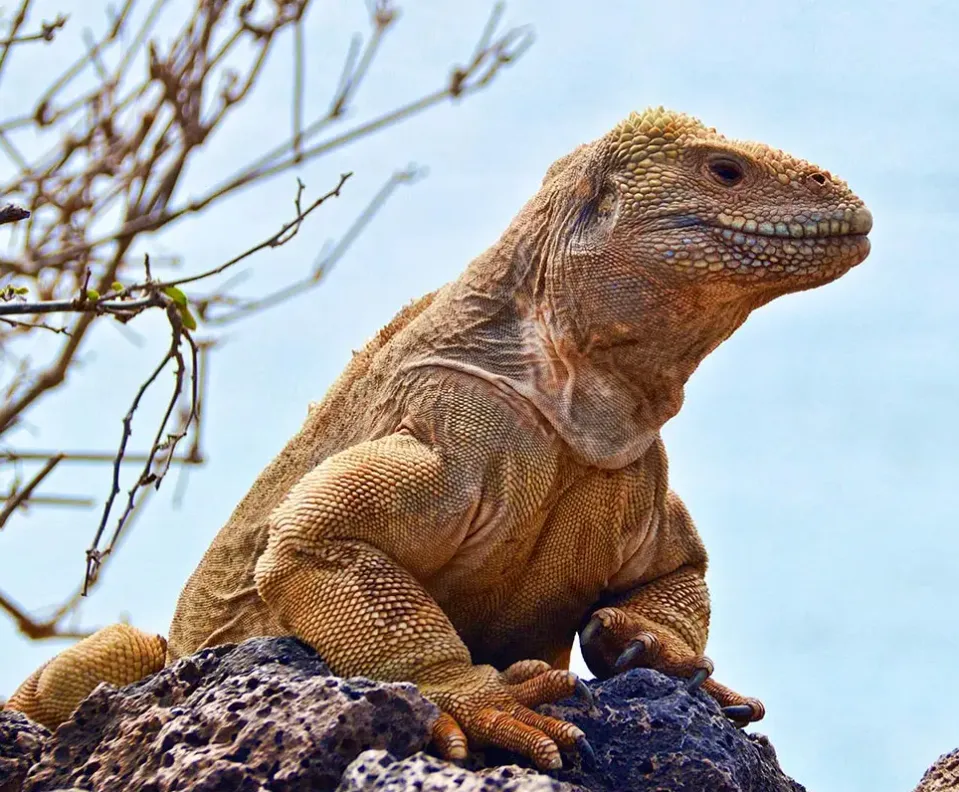
Santa Fe Island lies in the central part of the archipelago, southeast of Santa Cruz. With an area of 24 km² and a maximum altitude of 259 m, it combines an old, relatively flat volcanic relief with large Opuntia echios and palo santo. Its ecological context includes the Santa Fe land iguana (Conolophus pallidus) and the Santa Fe rice rat as endemic references.
North Seymour Island
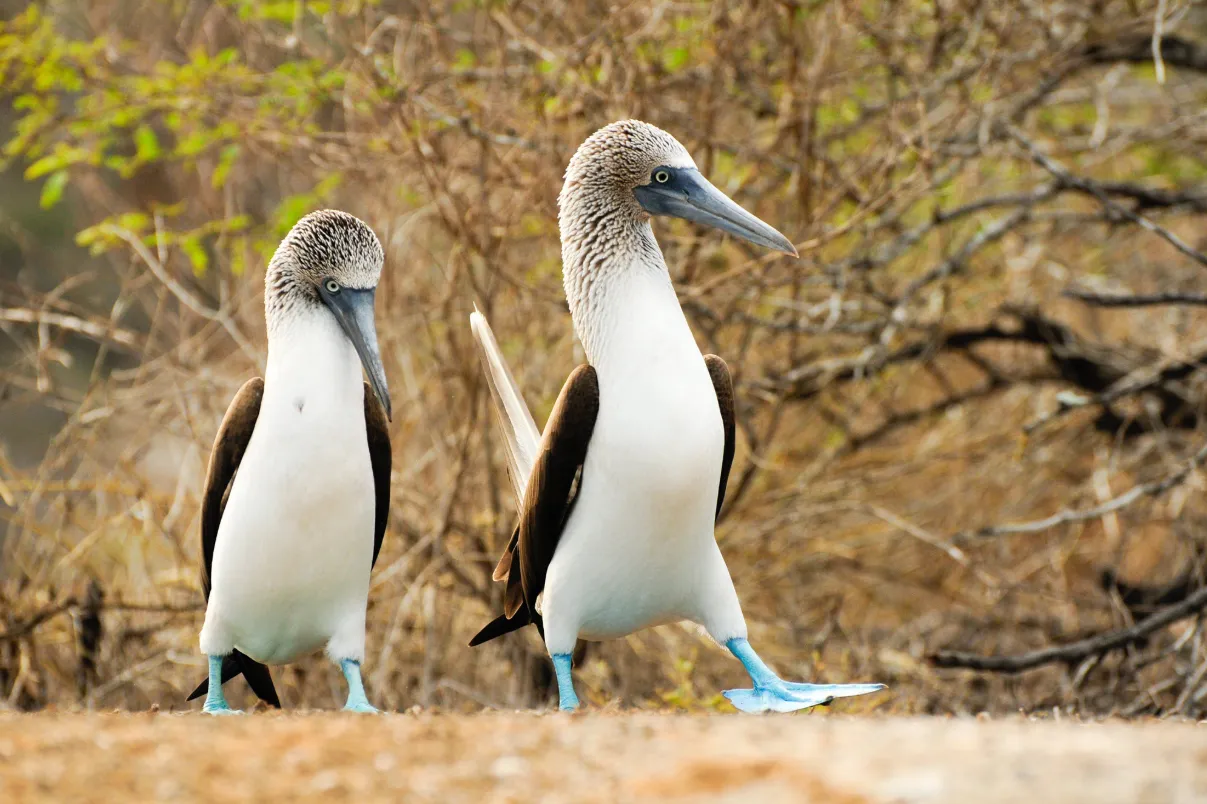
North Seymour Island is a low-relief Galápagos island of flat plateaus, qualitatively associated with Baltra, or South Seymour. it has no resident human population and reaches a maximum altitude of 28 m. Its origin in uplifted submarine lava, low and bushy vegetation, and the history of land iguanas transferred from Baltra provide an editorial context for connecting geology, ecology, and conservation without presenting current operational information.
Española Island
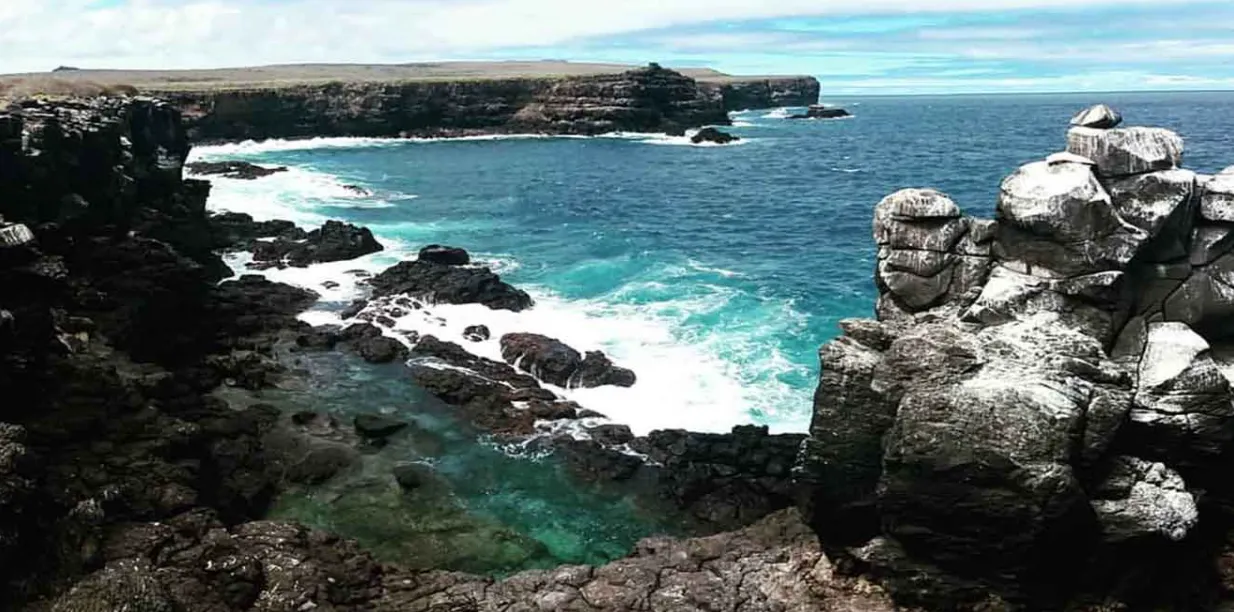
Española Island lies at the southern edge of the Galápagos archipelago and has no resident human population. Its landscape comes from an extinct volcano reshaped by erosion, creating an editorial context for endemic species, the waved albatross as a breeding-area species, and the recovery of the Española giant tortoise.
Wolf Island
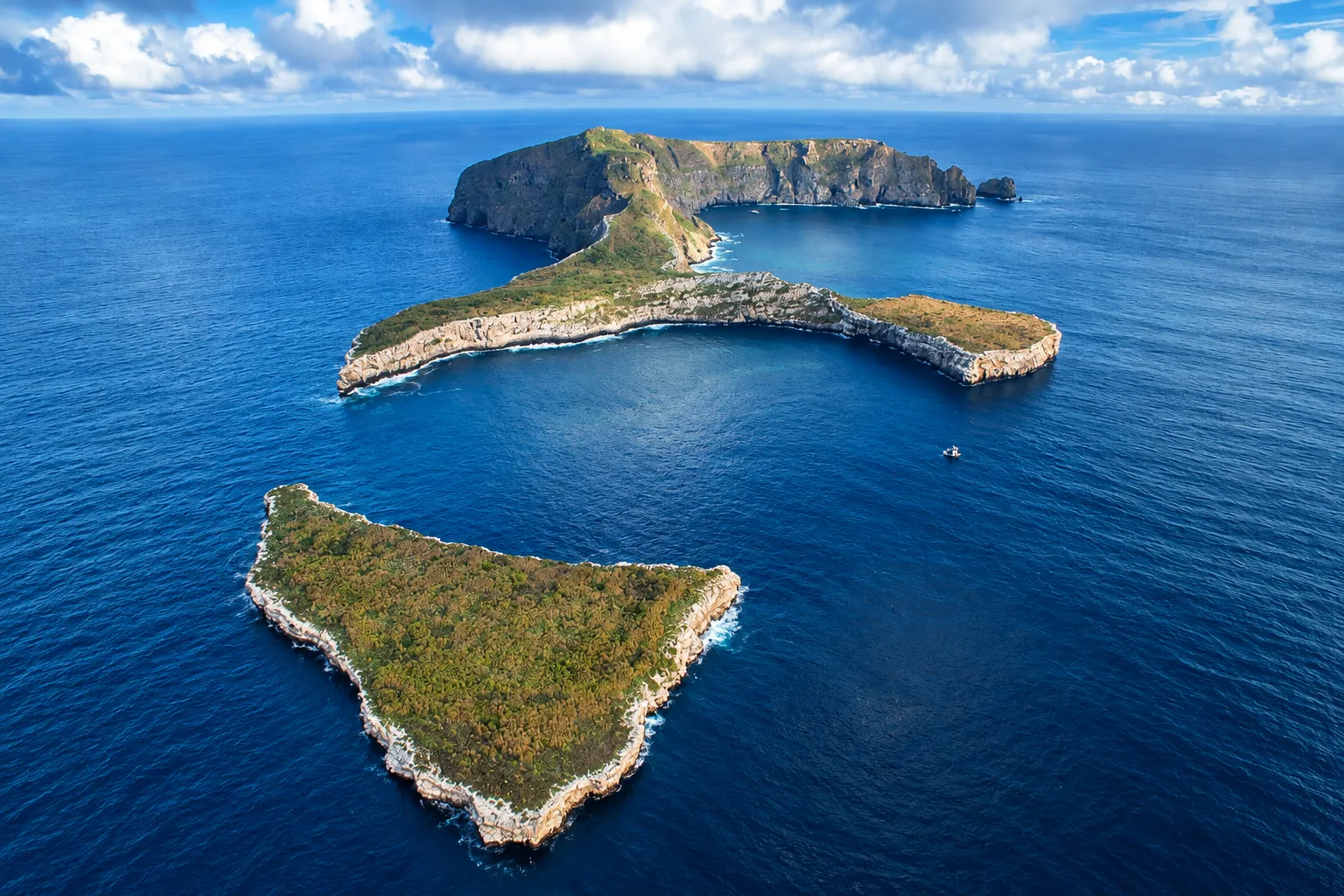
Wolf is a remote island in northern Galápagos, associated with the Wolf–Darwin Ridge sector. It is the emergent remnant of an extinct volcano whose greater extent remains below the ocean. With no resident human population, it reaches a maximum altitude of 253 m and frames the relationship between volcanic relief, seabirds, and marine-environment conservation.
Genovesa Island
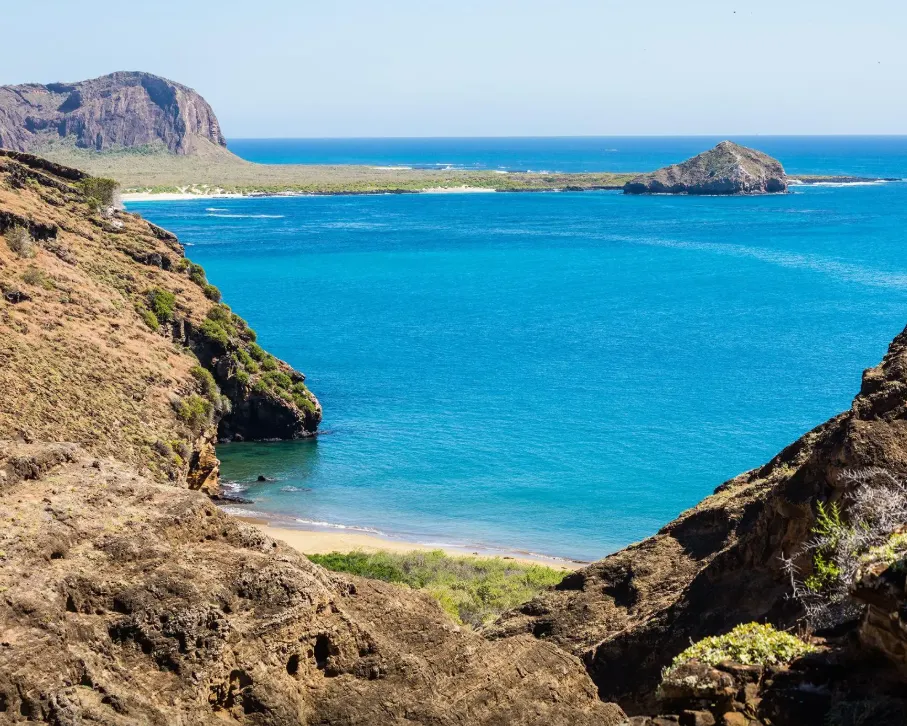
Genovesa Island is a volcanic island in the northeastern part of the Galápagos archipelago. Its horseshoe-shaped caldera, linked to Darwin Bay, and the Lake Arcturus salt crater lake provide an editorial frame for a landscape where geology, sparse vegetation, and a seabird setting are connected without promises of access or sightings.
Bartolomé Island
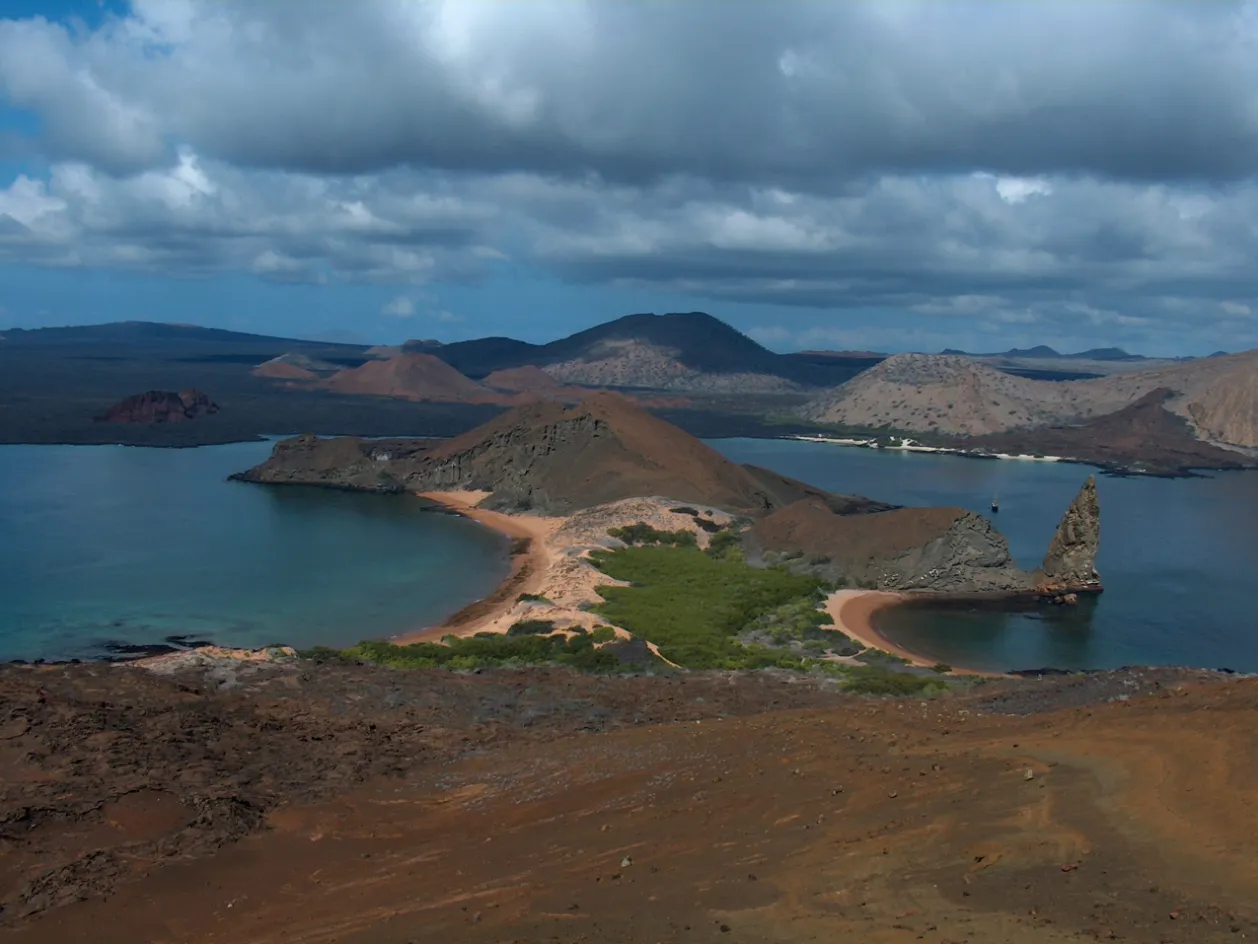
Bartolomé Island is an arid volcanic islet in the Sullivan Bay setting east of Santiago Island. Its volcanic relief and the silhouette of Pinnacle Rock support an editorial view of an insular landscape shaped by geological processes and accompanied by a sensitive coastal and marine setting.
Darwin Island
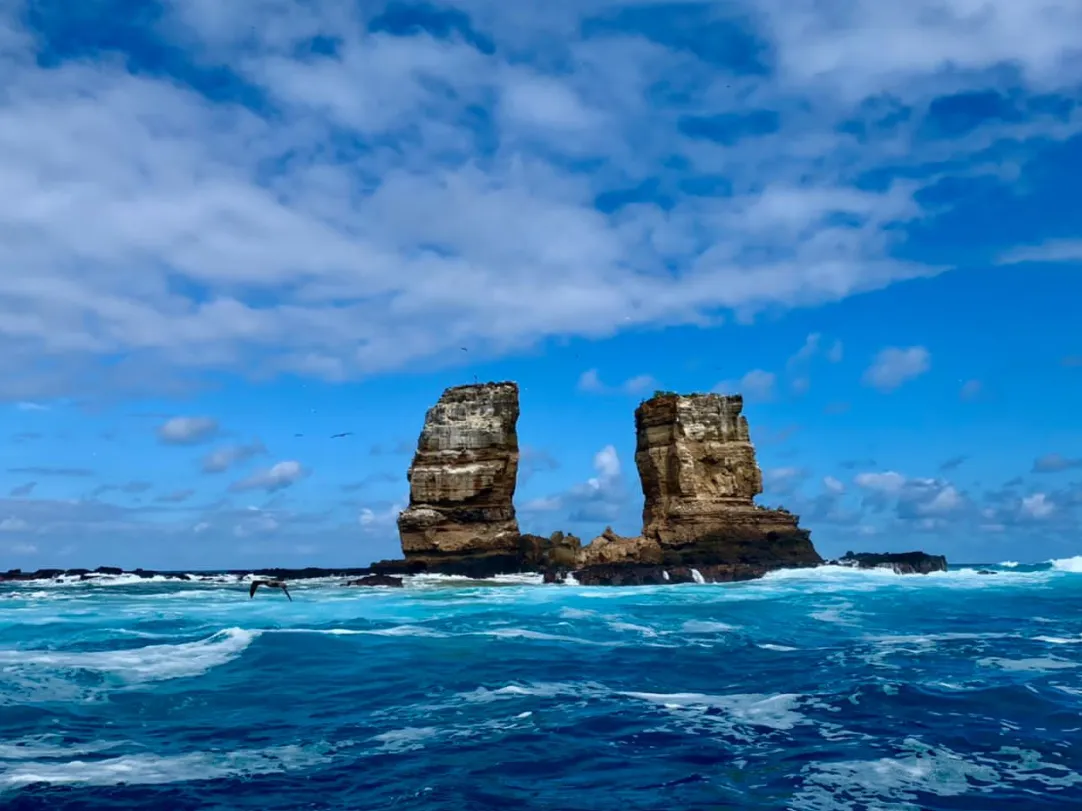
Darwin is a remote island at the northern edge of the Galápagos archipelago. It is the exposed part of a largely submarine extinct volcano, and its land area provides a setting for seabirds. With no resident human population, the island and its surrounding waters invite an editorial reading centered on protecting a sensitive marine environment.
Floreana Island
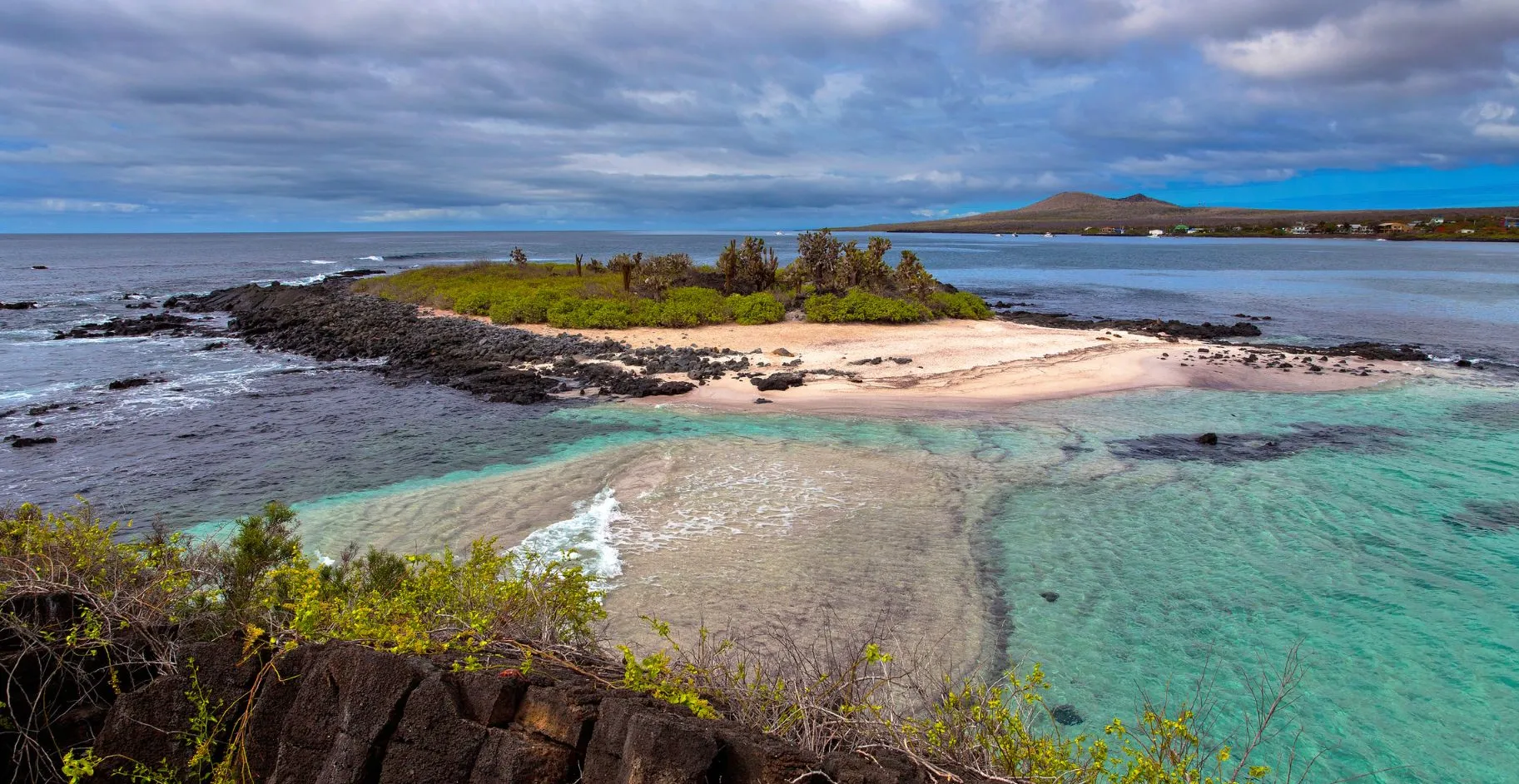
Floreana, also known as Santa María, brings together a singular human history and volcanic landscapes of major conservation importance in Galápagos. Its bays, highlands, and nearby islets help explain the relationship among settlement, native species, and ecological restoration.
Santa Cruz Island
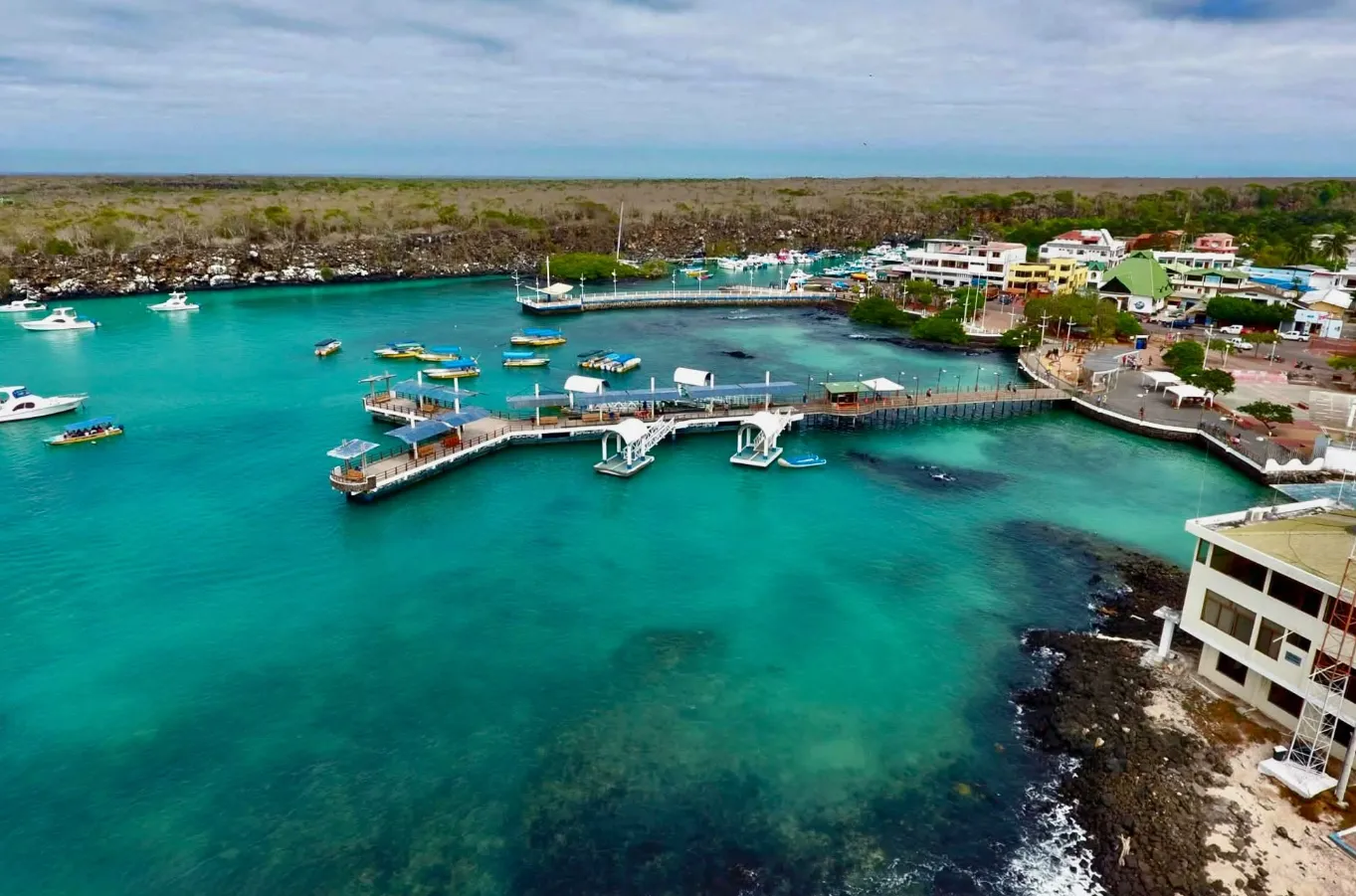
Santa Cruz, located in the center of the Galápagos archipelago, brings together volcanic landscapes, coastal communities, and highlands transformed by agriculture and population growth. Puerto Ayora and the island's rural areas show how biodiversity conservation also depends on the sustainability of the local population.
Isabela Island
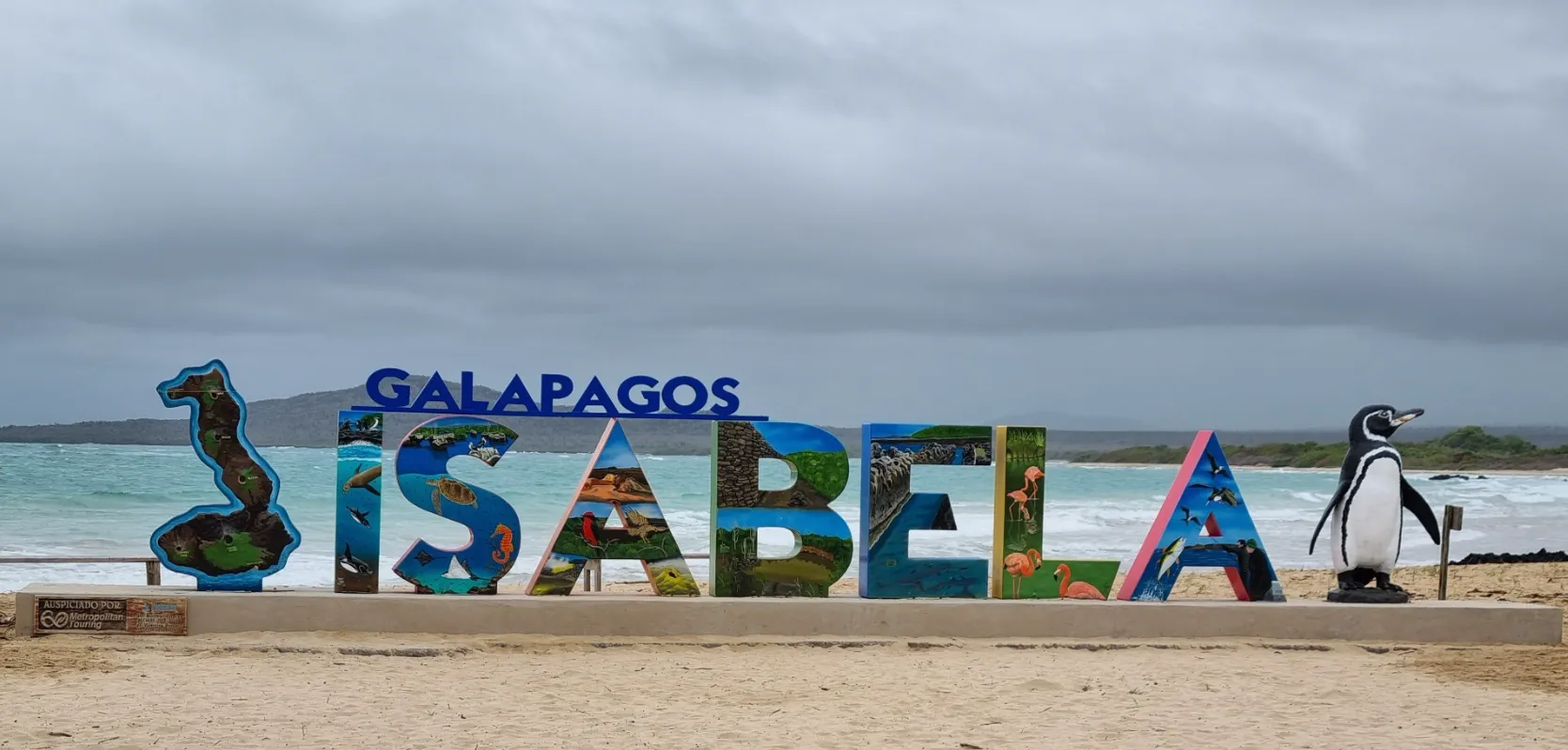
Isabela is the largest island in Galápagos and a territory defined by six volcanoes, lava fields, nutrient-rich western coasts, and a human history linked to Puerto Villamil. Its geographic scale makes control of introduced species and protection of vulnerable species central challenges for conservation in the archipelago.
San Cristóbal Island
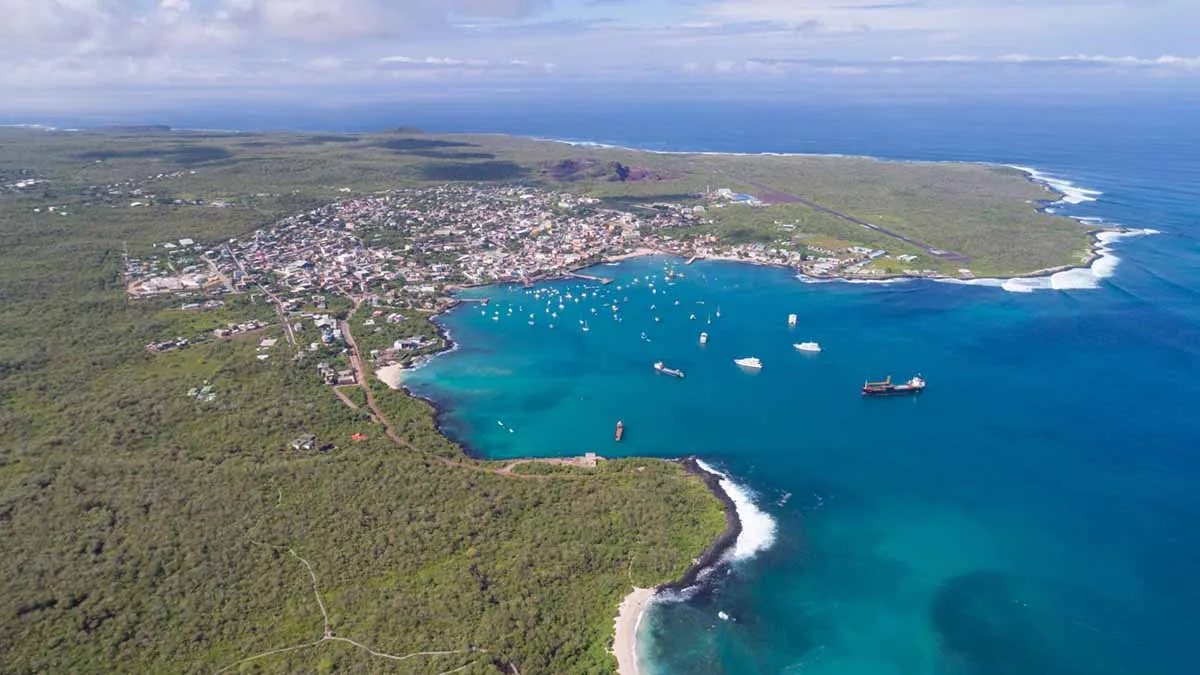
San Cristóbal is the easternmost island in Galápagos and a territory where Puerto Baquerizo Moreno, the highlands, and El Junco Lagoon connect human history, freshwater, and conservation. Its volcanic landscapes, coastal environments, and rural communities show how protecting biodiversity also depends on the responsible management of introduced species and marine resources.