Its geographic scale makes control of introduced species and protection of vulnerable species central challenges for conservation in the archipelago.
A large-scale volcanic island
Isabela is the largest island in the Galápagos archipelago and contains some of its most representative geological and ecological landscapes. Its shape, associated with the merging of large volcanoes, brings together lava fields, highlands, western coasts, and marine environments whose diversity depends on volcanic and oceanic processes in continuous transformation.
Essential information
- Area
- 4,711 km²
- Population
- 3,000 inhabitants
- Maximum elevation
- 1,707 m
Six volcanoes, one island
Isabela formed through the merging of six shield volcanoes: Ecuador, Wolf, Darwin, Alcedo, Sierra Negra, and Cerro Azul. Wolf Volcano reaches the archipelago's highest elevation, while Sierra Negra, the tuff cones of Tagus Cove, and the uplift at Urbina Bay reveal the force of the processes that shaped the island.
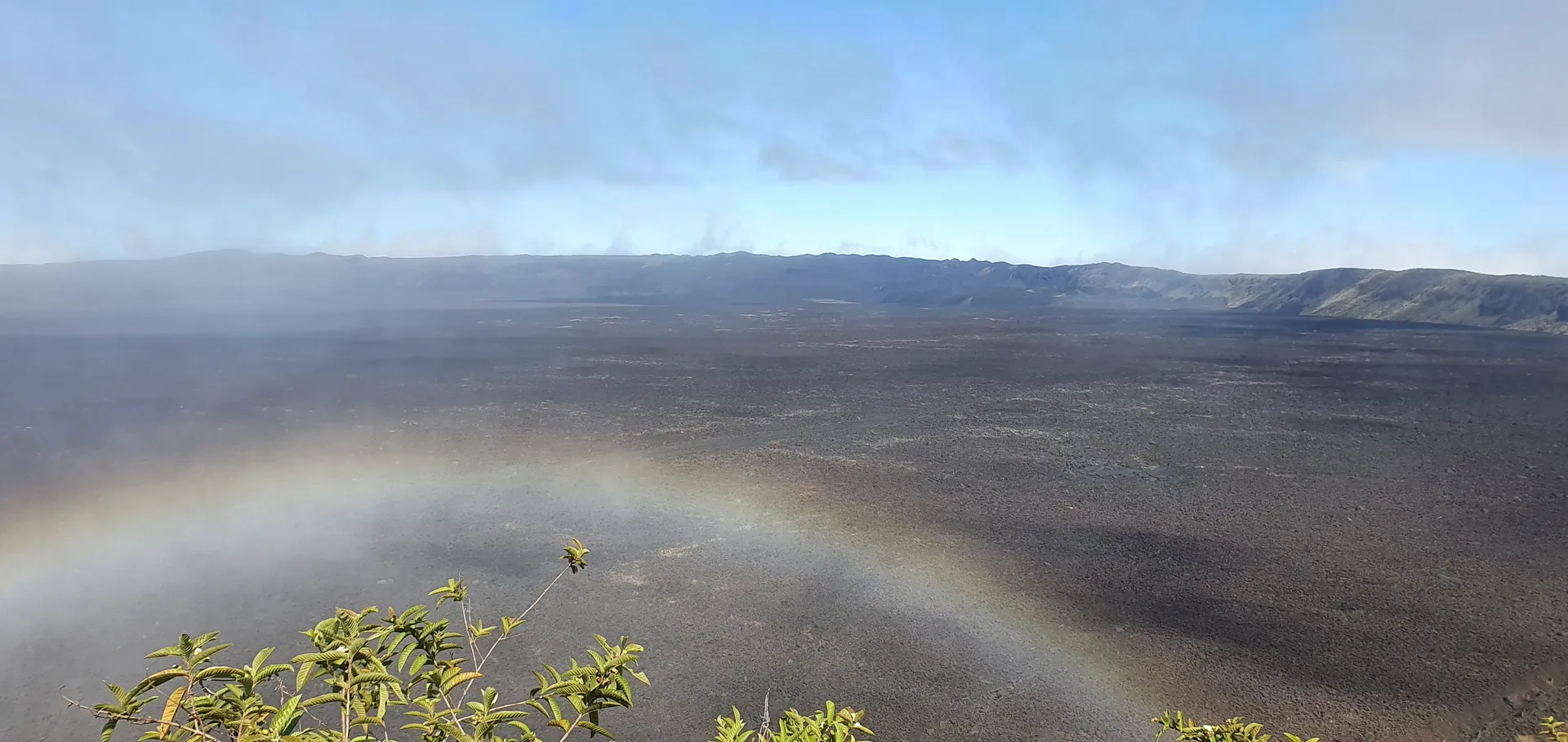
The extensive, relatively recent lava fields and still-developing soils produce a vegetation pattern distinct from that observed on other large islands. Southern highlands contrast with coastal areas, arid landscapes, and western environments influenced by cold, nutrient-rich waters.
Territorial history
- Ambrose Cowley named the island Albemarle in honor of the Duke of Albemarle. The name Isabela was later associated with Isabella I of Castile.
- Charles Darwin visited Tagus Cove, an inlet that pirates, buccaneers, and whalers had used as a protected anchorage.
- Antonio Gil colonized southern Isabela and founded Puerto Villamil on the coast; Santo Tomás in the highlands later became associated with sulfur extraction, agriculture, and livestock.
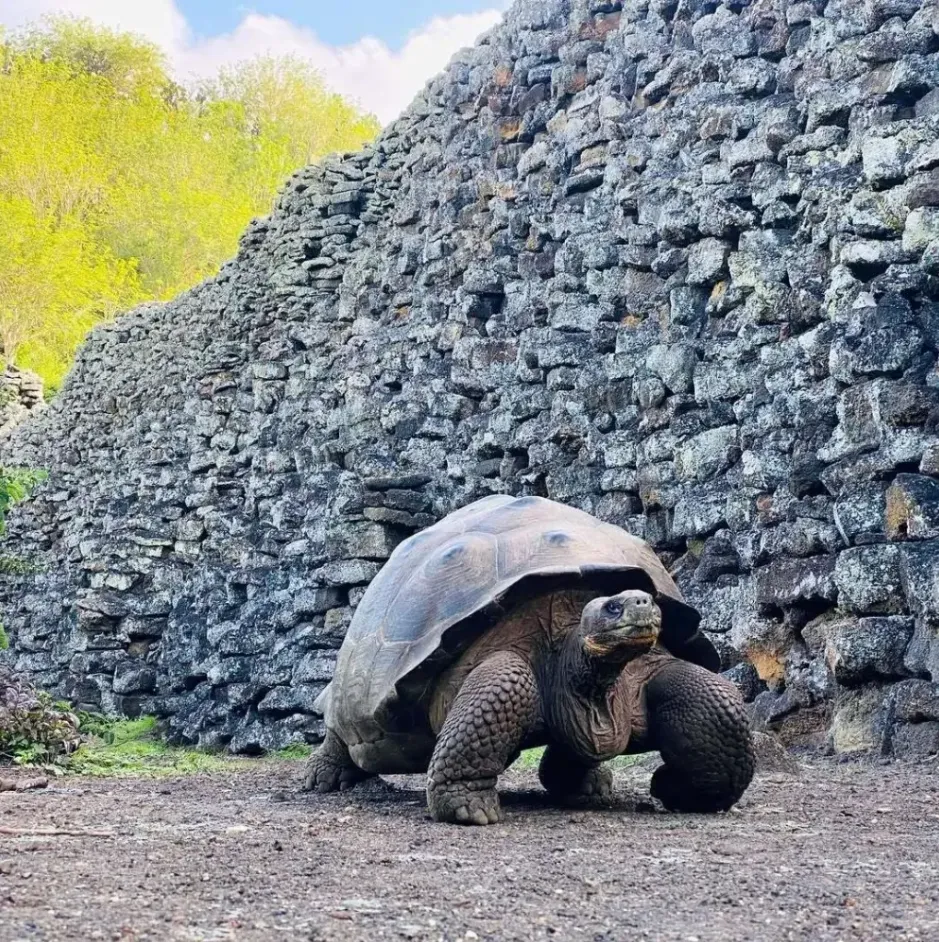
- Isabela housed a penal colony. The Wall of Tears was built during this period by people deprived of liberty.
- Puerto Villamil became the island's main population center in a territory where fishing, agriculture, tourism, and conservation remain closely connected.
Puerto Villamil and inhabited territory
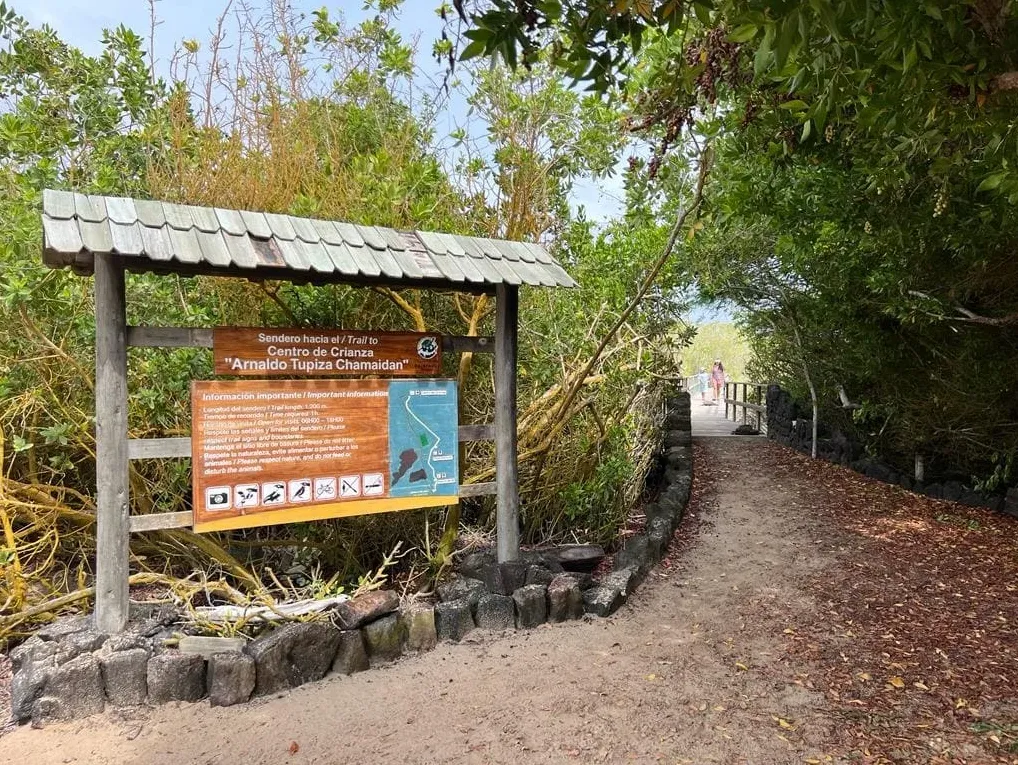
Puerto Villamil, on the south coast, is Isabela's main settlement and a meeting point among community, coast, and protected areas. Fishing, agriculture, and tourism have formed part of its development, while nearby lagoons and wetlands show the continuity among urban life, brackish environments, and coastal biodiversity.
The highlands, historically associated with Santo Tomás and the slopes of Sierra Negra, express another dimension of the territory. They concentrate references to agriculture, former resource use, and landscapes where higher-elevation vegetation contrasts with lava fields and the coast.
Conservation at island scale
Isabela's scale amplifies challenges present on other Galápagos islands. Introduced species have modified ecosystems and threatened populations of giant tortoises, birds, and small reptiles. Restoration requires long-term intervention, scientific monitoring, and coordination among institutions and local communities.
Project Isabela removed introduced goats and donkeys from the north of the island as part of an ecological-restoration process. However, cats and rats continue to threaten vulnerable fauna. Species associated with these challenges include the mangrove finch, the Galápagos penguin, and the flightless cormorant.
Landscapes and territorial references
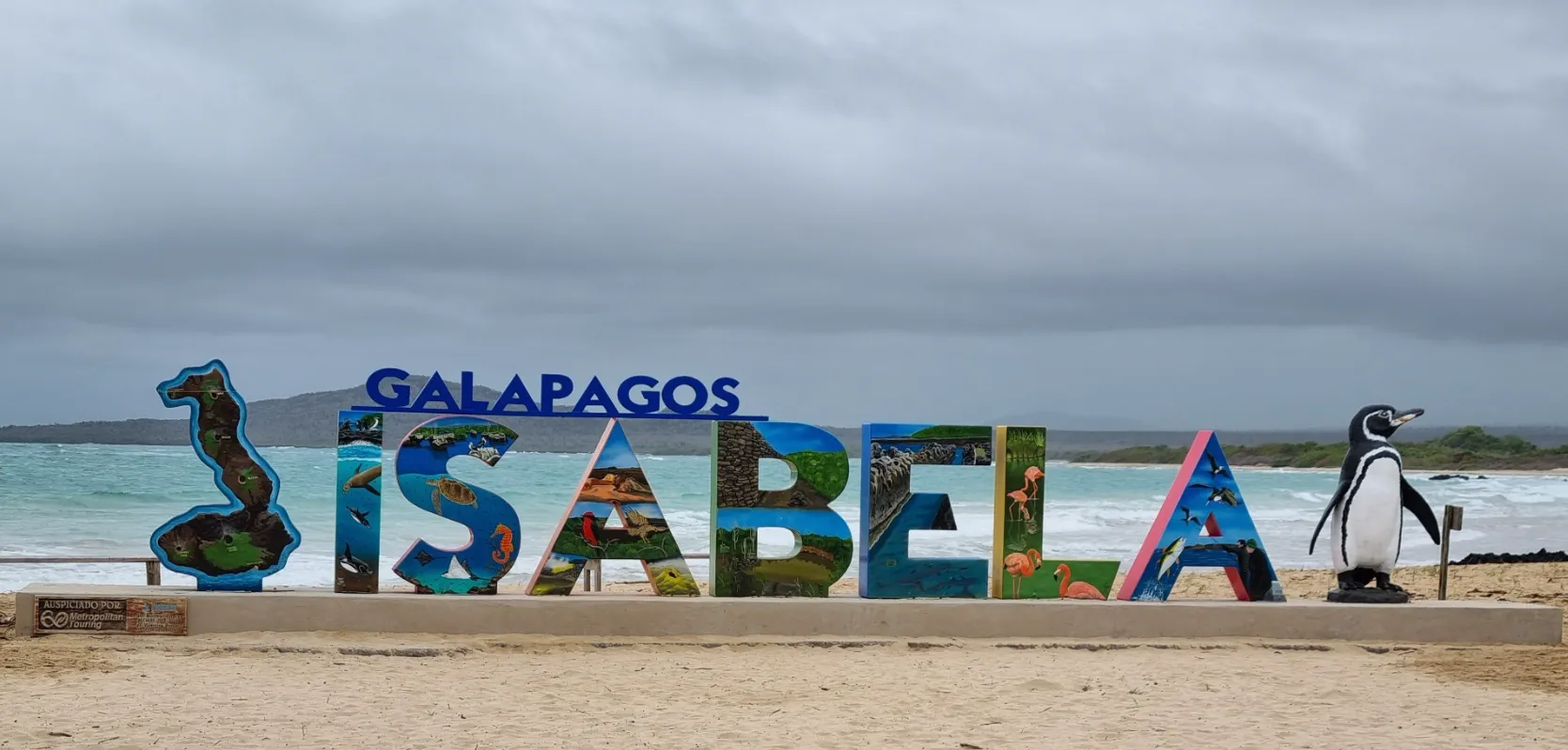
Puerto Villamil and the wetlands
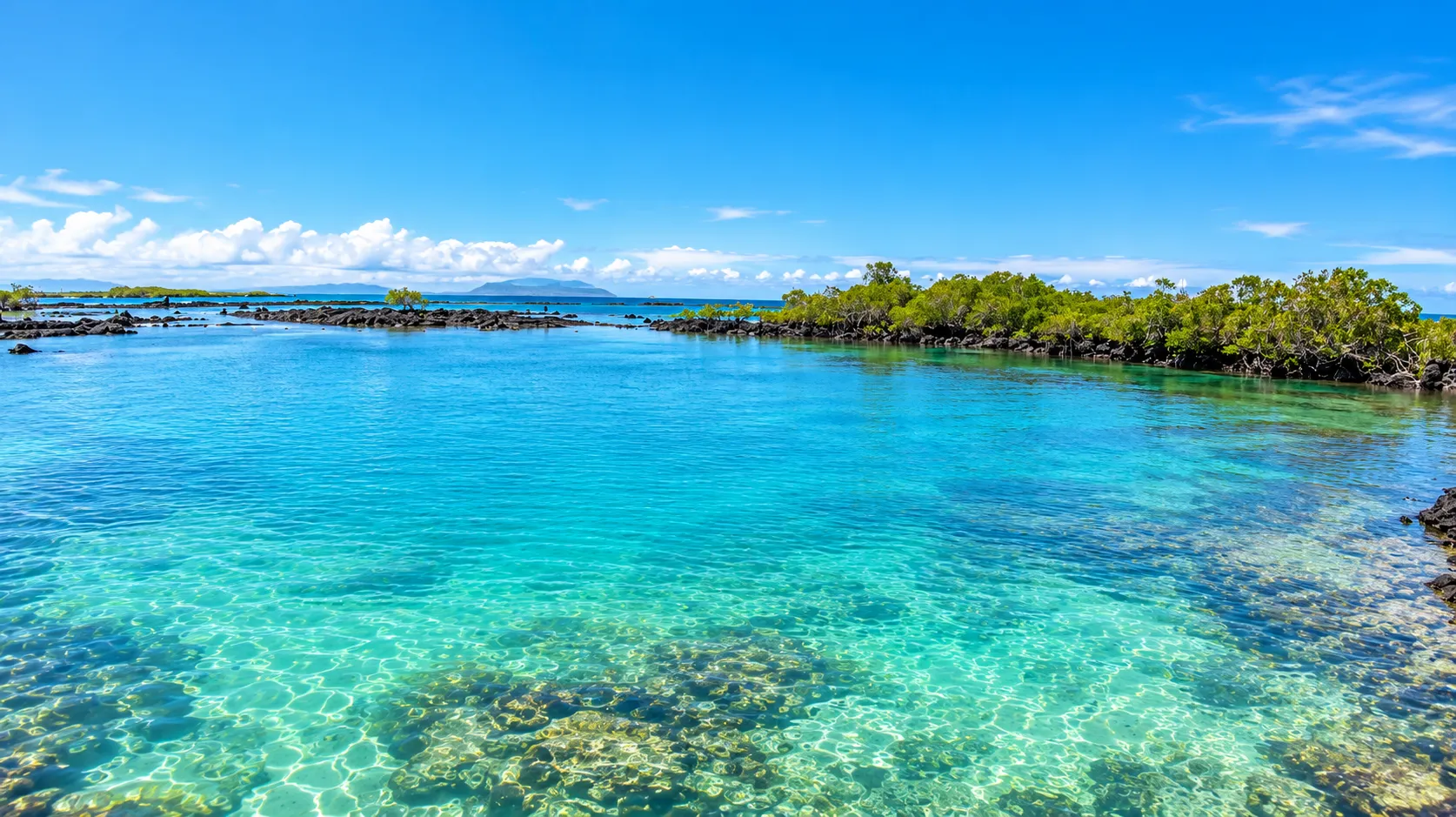
Puerto Villamil and its nearby wetlands bring together beaches, brackish lagoons, mangroves, and coastal wildlife. This setting helps explain how terrestrial and marine environments relate to Isabela's main human settlement.
Sierra Negra and the volcanic system
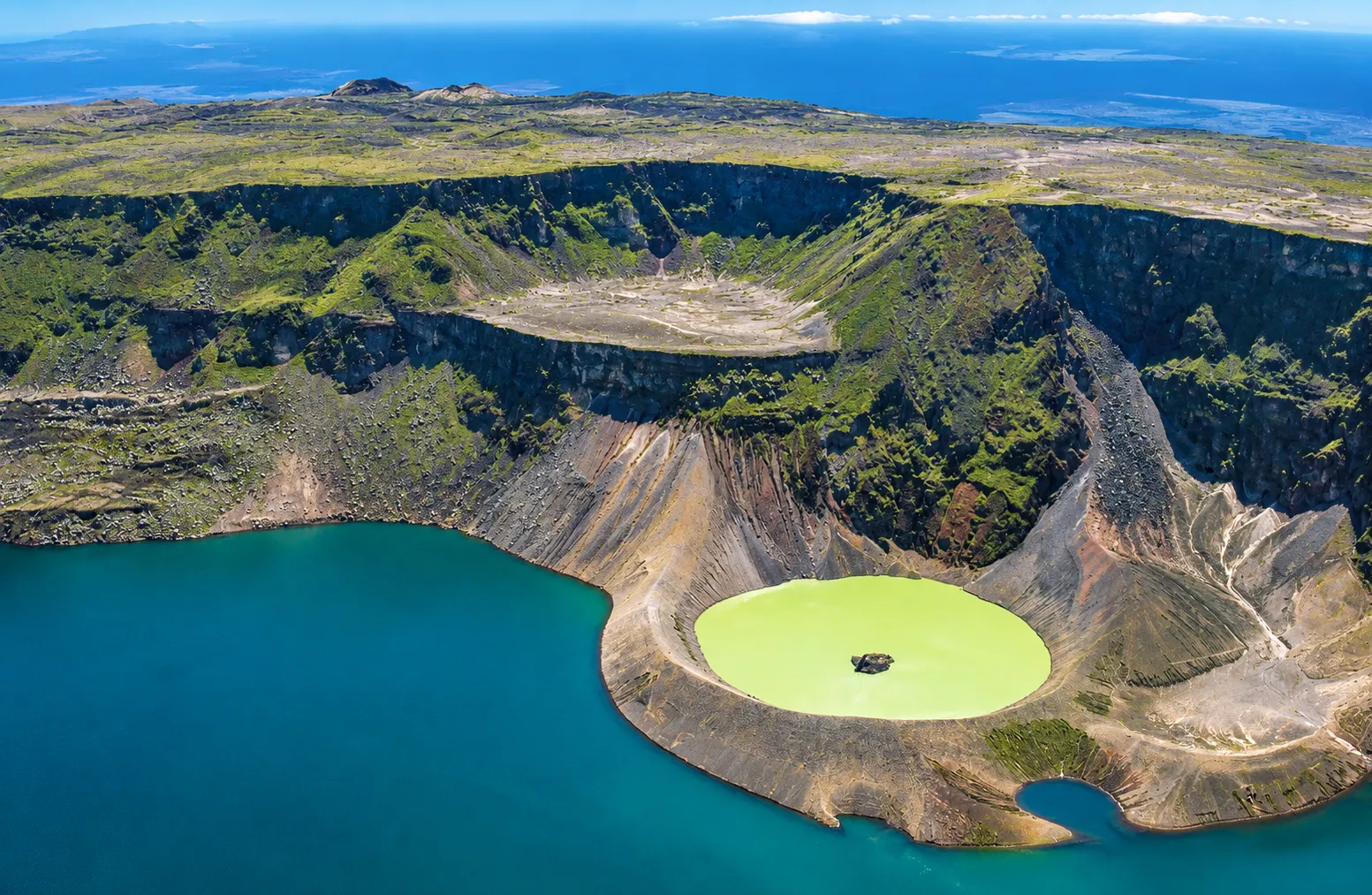
Sierra Negra is one of Isabela's most visible geological references. Its caldera and nearby volcanic landscapes show the scale of the volcanoes that merged to form the island and continue to define its terrain.
Urbina Bay and Project Isabela
Urbina Bay is known for the geological uplift that modified its coastal strip in the middle of the twentieth century. The area also situates Project Isabela in the territory where restoration in response to introduced mammals became connected to the protection of giant tortoises and other island ecosystems.
Tagus Cove and the western coast
Tagus Cove brings together references to historic navigation, tuff cones, and western coastal landscapes. Together with other western areas of Isabela, it forms part of a marine environment influenced by cold, nutrient-rich waters that sustain a broad diversity of life.
Punta Vicente Roca and the Bolívar Channel
Isabela's western coast and the Bolívar Channel reflect the influence of ocean currents that enrich the waters of the western archipelago. These conditions connect the island's geology with marine ecosystems relevant to birds, fish, and marine mammals.